Could the war in Iran trigger a global economic crisis?
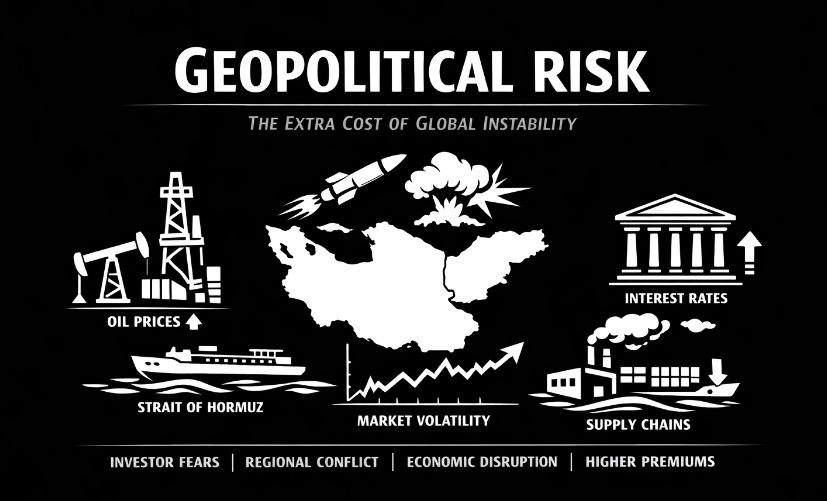
This is a summary of conclusions from an Insider Episode, “Could the war in Iran trigger a global economic crisis?”, presented by The Economist (recorded March 12, 2026). It was generated by AI (Microsoft Copilot), edited by H. P. Oliver (with help from Grammarly), and is based on publicly available information about the episode’s framing and the economic reports discussed.
Conclusions from the episode
The world is not yet in a global economic crisis — but the risk is real and rising.
The hosts conclude that the Iran war has not automatically tipped the world into recession, but it has created a fragile, high‑risk environment in which a single additional shock could trigger a global downturn.
This is mainly due to the closure of the Strait of Hormuz, which has already led to a sharp increase in oil prices and significant strain on the supply chain.
The decisive variable is the duration of the disruption
The closing argument stresses that:
A short conflict keeps the damage contained.
A prolonged closure of the Strait of Hormuz would push oil markets, shipping, and global inflation into territory that central banks cannot manage without inducing a recession.
This aligns with reporting that oil surged from under $70 to nearly $120 before settling near $100 — a level that is painful but not yet catastrophic.
The greatest danger is contagion — not the war itself
The hosts emphasize that the war’s economic impact becomes globally systemic only if:
Pakistan, Iraq, or the Gulf states face political destabilization,
shipping insurers withdraw coverage,
or central banks lose control of inflation expectations.
This mirrors contemporaneous analysis showing destabilization risks in fragile states and fuel‑price shocks spreading to Asia and Europe.
The U.S. is relatively insulated — Europe and Asia are not
The concluding segment highlights that:
· The U.S. economy can absorb higher oil prices better than most.
· Europe and Asia face the greatest exposure due to dependence on Middle Eastern energy.
This is consistent with reporting that Asian and European economies were already experiencing acute fuel‑price stress.
Markets are pricing in uncertainty, not collapse — but that can change quickly
The hosts end by noting that financial markets have not yet entered panic mode.
However, they warn that:
· a miscalculation by Iran, Israel, or the U.S.,
· a major attack on Gulf energy infrastructure,
· or a prolonged shipping shutdown
could rapidly shift markets into crisis dynamics.
The world is entering a “high‑volatility equilibrium”
The final takeaway is that the global economy is now operating in a new, unstable equilibrium where:
energy markets are tight
supply chains are brittle
geopolitical risk premia (the extra compensation investors demand for taking on geopolitical risk) are permanently higher.
The episode hosts concluded that a global crisis can be avoided — but only if the conflict does not escalate and the Strait of Hormuz reopens soon.
Comment from H. P. Oliver
Reopening full access to the Persian Gulf is unlikely to happen soon, given:
the statement of Iran’s newly appointed Supreme Leader
the challenge of fully protecting ships from potential Iranian missile and drone attacks
probable hesitation of insurers to cover ships attempting passage in this situation.